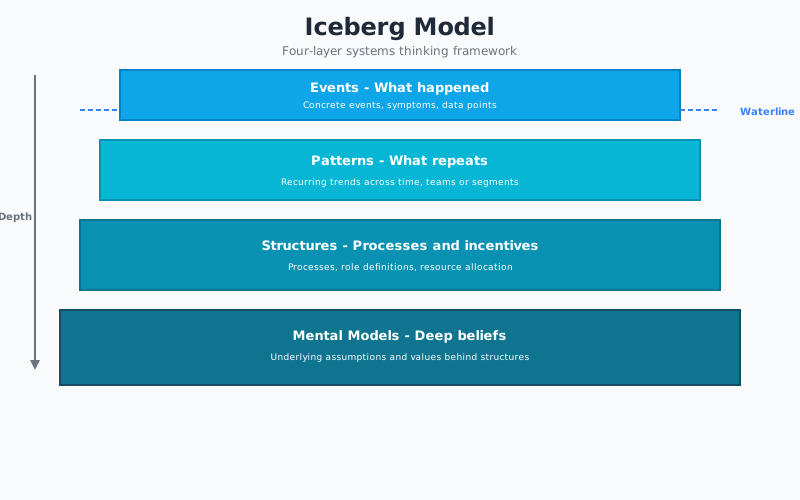
Iceberg Model

The Iceberg Model is a classic systems thinking framework that reminds us visible events are only the tip of the iceberg, while deeper patterns, structures and mental models drive what we repeatedly see.

Thinking ModelCognitive EfficiencyDecision MakingProblem Solving
Estimated time: 25 min
Difficulty: Beginner
Enhances Cognitive Efficiency

Thinking Model Definition & Principles

The Iceberg Model helps you move from "what happened" to "why it keeps happening". Visually, only a small part of the iceberg is above the waterline (events), while most of it is hidden below as patterns, systemic structures and mental models:

  • Events: What has just happened? What cases and data points can you name?
  • Patterns: Is this a one-off incident or part of a longer trend or recurring pattern?
  • Systemic Structures: What processes, rules, resource allocations or incentives are shaping these patterns?
  • Mental Models: What beliefs, assumptions and values led us to design the current structures in the first place?

Once you get used to seeing problems through the Iceberg Model, you spend less time arguing about isolated incidents and more time rethinking structures and assumptions, which is where sustainable change usually comes from.

This thinking model can significantly enhance your cognitive efficiency and decision-making abilities, helping you solve complex problems more effectively. By applying this model, you can improve your time management efficiency and overall productivity.
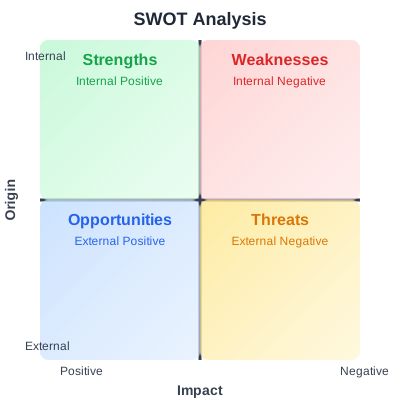
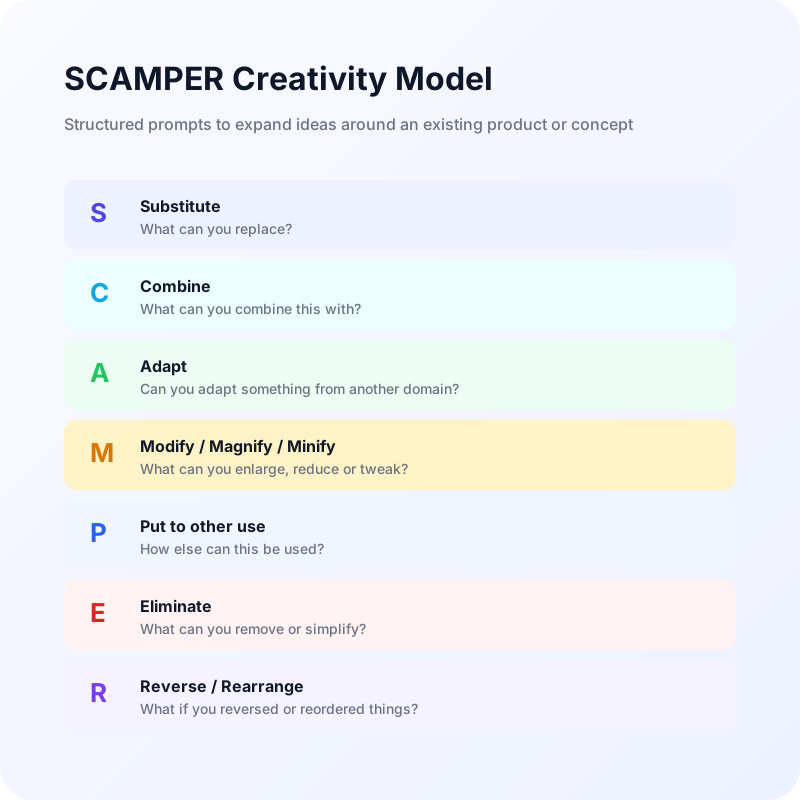
To see where this model sits in a full problem-solving flow and how it combines with other models and tools, visit theThinking Playbookspage for stage-based chains by scenario.

How to Apply This Thinking Model

Below are the specific steps to apply this thinking model to enhance your cognitive efficiency and decision-making abilities. Following these steps can significantly improve your time management and problem-solving efficiency.

1

Start from concrete events

Pick a specific event or symptom, such as “higher turnover this quarter” or “more customer complaints about a feature”. Describe it with data or concrete examples, not vague impressions.

Tips

  • Write one or two sentences about what happened
  • Add key dates and basic metrics if possible
2

Look for patterns over time

Scan across a longer time frame: has something similar happened before? Is it concentrated in certain teams, time periods or user groups, or is it a rare anomaly?

Tips

  • Sketch a simple timeline or trend line
  • Use words like "always/often/sometimes" to describe frequency
3

Trace systemic structures

Ask which processes, rules, role definitions, resource allocations or incentive schemes might be reinforcing the pattern. Focus on structures before blaming individuals.

Tips

  • Separate one-off mistakes from structural issues
  • Ask: if nothing in the structure changes, will this keep happening?
4

Reflect on mental models

Go one level deeper: what underlying beliefs and assumptions sit behind these structures? For example, “long hours mean commitment” or “customers only care about price”. Mental models quietly shape design choices.

Tips

  • Write assumptions as “we believe that …” sentences
  • Try proposing one or two alternative assumptions you could test
5

Design new structures and experiments

Use your iceberg analysis to design one or two small, testable changes in structure or process, and define how you will measure the effect over time.

Tips

  • Prioritise changes that are high-impact yet controllable
  • Treat them as experiments rather than irreversible reforms

Thinking Model Application Cases

Below are practical application cases of this thinking model in real-world scenarios, demonstrating how it enhances cognitive efficiency, time management, and decision-making abilities. These cases can help you better understand how to apply this model to your own work and life.

High and persistent team turnover

HR and leaders want to understand the deeper causes of attrition instead of stopping at salary or personal reasons.

Scenario

Events: list recent spikes in resignations. Patterns: see whether they cluster in certain teams, managers or career stages. Structures: review reporting lines, performance systems and promotion paths. Mental models: surface implicit beliefs about “good employees” and career expectations.

Outcome

By applying this model, problems can be effectively solved and expected results achieved.

Use our online tool to practice this thinking model and enhance your cognitive efficiency and decision-making abilities. This interactive tool can help you better apply the model principles, improving your time management and problem-solving efficiency.

Need classroom handouts or template packs? Open the tool and use the export feature (PNG / PDF).

Online Practice Tool

Use this interactive tool to practice thinking model principles, enhancing cognitive efficiency and decision-making abilities.

Open Free Online Tool
Iceberg Model – Thinking Model Guide | Zen of Thinking