SWOT Analysis Model
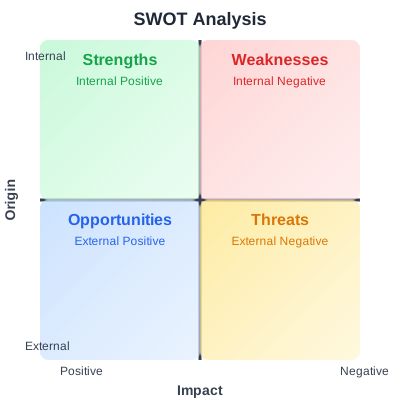
SWOT Analysis is a strategic planning tool used to evaluate the Strengths, Weaknesses, Opportunities, and Threats of an organization, project, learning program, or cognitive model
Systematically explore classic thinking models like Eisenhower Matrix to scientifically enhance time management efficiency, task prioritization methods, cognitive decision-making abilities and systematic thinking approaches
We have carefully curated a collection of practical thinking models and cognitive frameworks to help you make smarter decisions in work and life. Each model comes with detailed application guides and practical cases, enabling you to easily master and apply them to real-world scenarios.
Choose thinking models based on your application needs to find the most suitable thinking tools for your current situation.
Choose thinking models based on your learning needs and experience level. Beginner-friendly models are easier to master and apply.
SWOT Analysis is a strategic planning tool used to evaluate the Strengths, Weaknesses, Opportunities, and Threats of an organization, project, learning program, or cognitive model
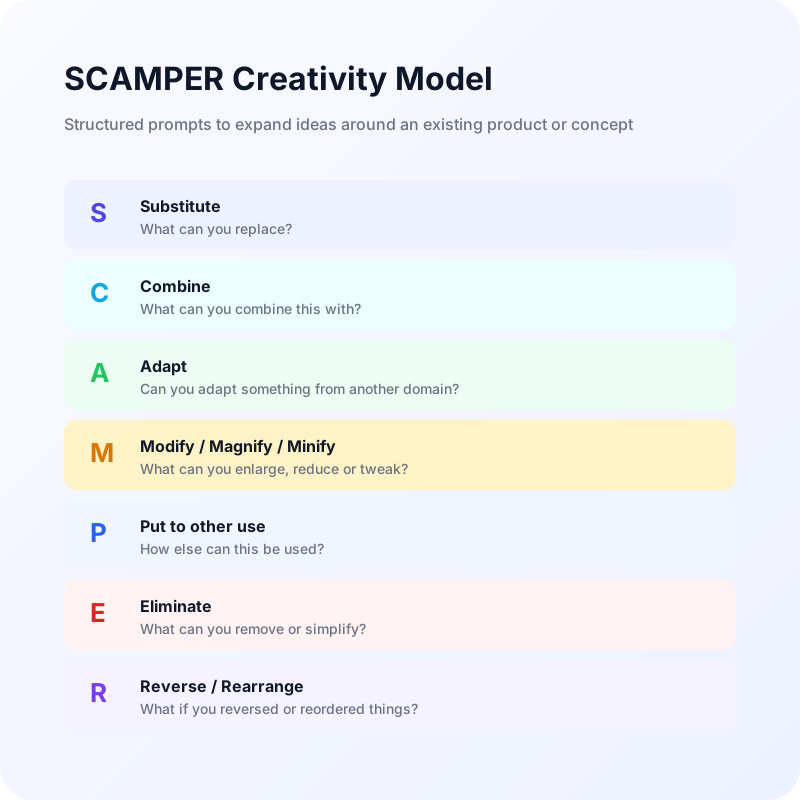
SCAMPER is a structured brainstorming checklist that helps you generate ideas by asking seven types of questions around an existing product, process or concept.
Six Thinking Hats, proposed by Edward de Bono, is a parallel thinking method that separates facts, feelings, risks, benefits, creativity and process into six coloured "hats" to make group discussions more focused and less confrontational.
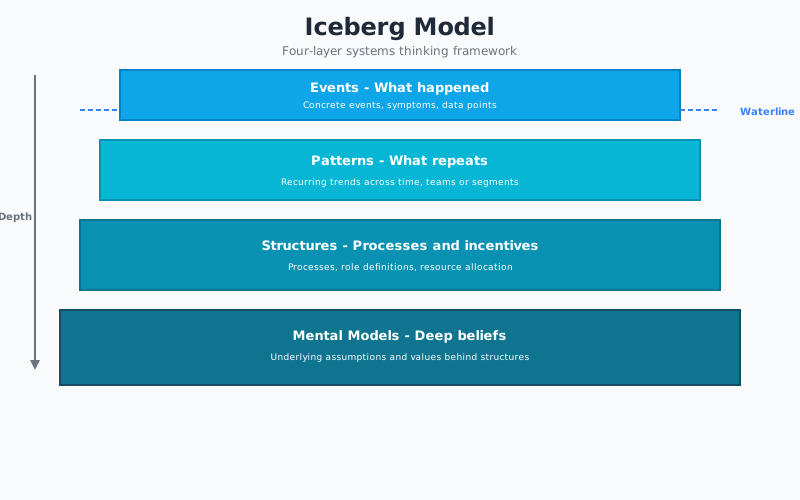
The Iceberg Model is a classic systems thinking framework that reminds us visible events are only the tip of the iceberg, while deeper patterns, structures and mental models drive what we repeatedly see.
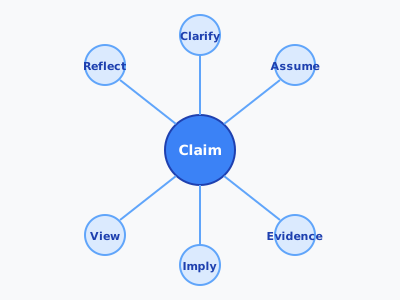
Socratic questioning is a disciplined way of asking questions to clarify claims, surface assumptions and examine evidence, widely used in teaching, debates and self-reflection.
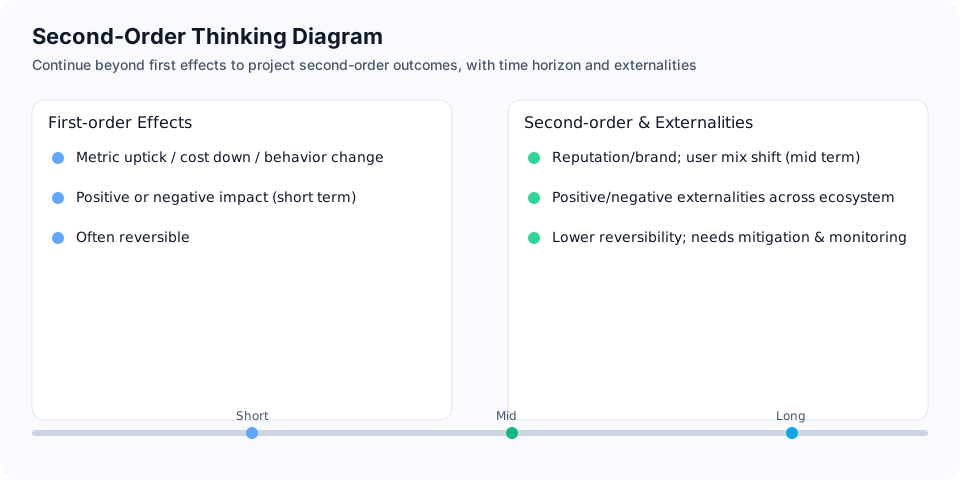
Look beyond first effects to the second-order consequences and externalities for resilient long-term decisions.
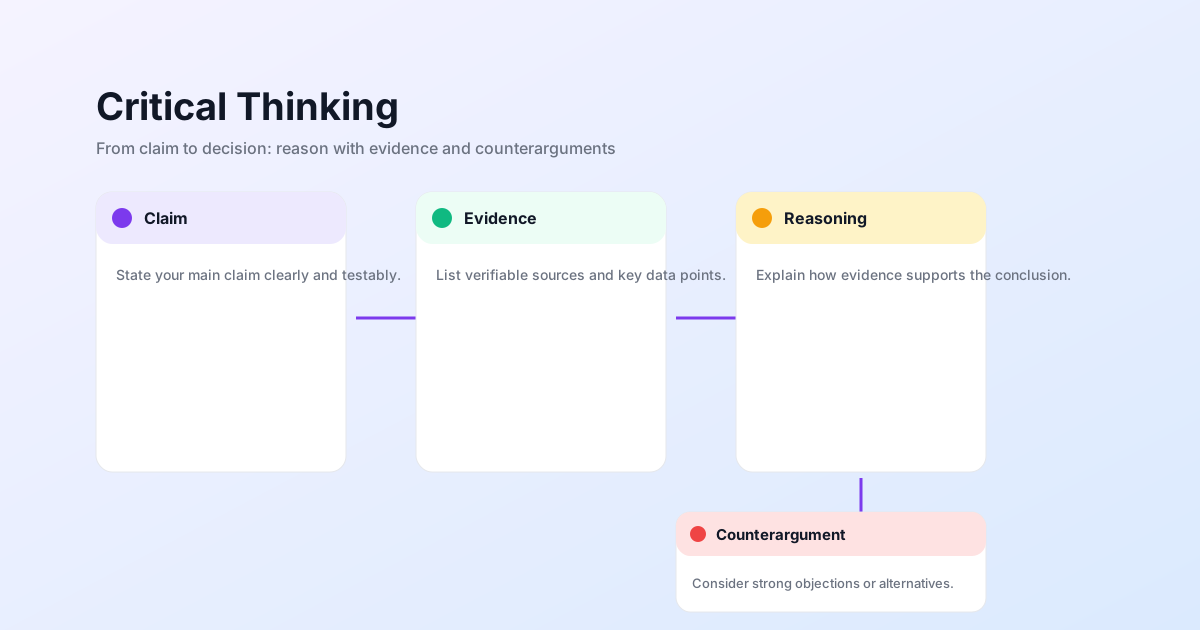
Evaluate claims and evidence with a structured approach, spot logical fallacies, and make resilient judgments
Break free from analogies and heuristics; derive solutions from fundamental truths and testable assumptions.
Categorize tasks into four quadrants based on importance and urgency to optimize time management and task prioritization
Systematically learn classic models and guides
Turn cognition into actions with structured tools
Visualize tasks and optimize time management
Map strengths, weaknesses, opportunities, threats
Urgent-important four-quadrant decision framework
Strategic analysis and positioning